Are you looking for a project shop or a long-term partner? It’s a question worth asking before you sign anything.
There’s a familiar story in enterprise digital. An organization invests heavily in a new WordPress platform: thoughtful discovery, meticulous design, careful engineering. The site launches to internal applause. Then, six months later, it quietly starts to drift. Traffic plateaus. Conversion rates stagnate. The content team works around features that don’t quite fit their workflow. A competitor relaunches and suddenly your brand-new site feels dated. The platform didn’t fail. The model did.
Most digital agencies are built around the launch and are optimized for handoff. That model made sense when websites were static brochures. It doesn’t hold up when your WordPress platform is the connective tissue of your entire digital ecosystem.
At Modern Tribe, we’ve spent years working with enterprise clients such as Harvard, Stanford, and Microsoft. The clients who see lasting impact aren’t the ones with the biggest launch budgets. They’re the ones who treat their platform as a living system, not a completed deliverable.
The Problem With “Done”
A website is never done. That’s not a sales pitch, it’s a technical and strategic reality.
Search algorithms evolve. User expectations shift. Your organization changes. New products launch, new teams form, new regulations emerge. A platform built to the requirements of Q1 last year may be actively working against your goals by Q4 this year.
Yet the project-shop model persists because it’s comfortable. Clients can budget for it. Agencies can staff for it. Everyone understands what “done” looks like. The trouble is that “done” in digital is just another word for “falling behind.”
The question isn’t whether your platform will need to evolve. It’s whether you have a model to support that evolution, or whether you’ll be scrambling for budget, context, and continuity every time the need becomes undeniable.
The Lifecycle Model: Discovery → Build → Optimize
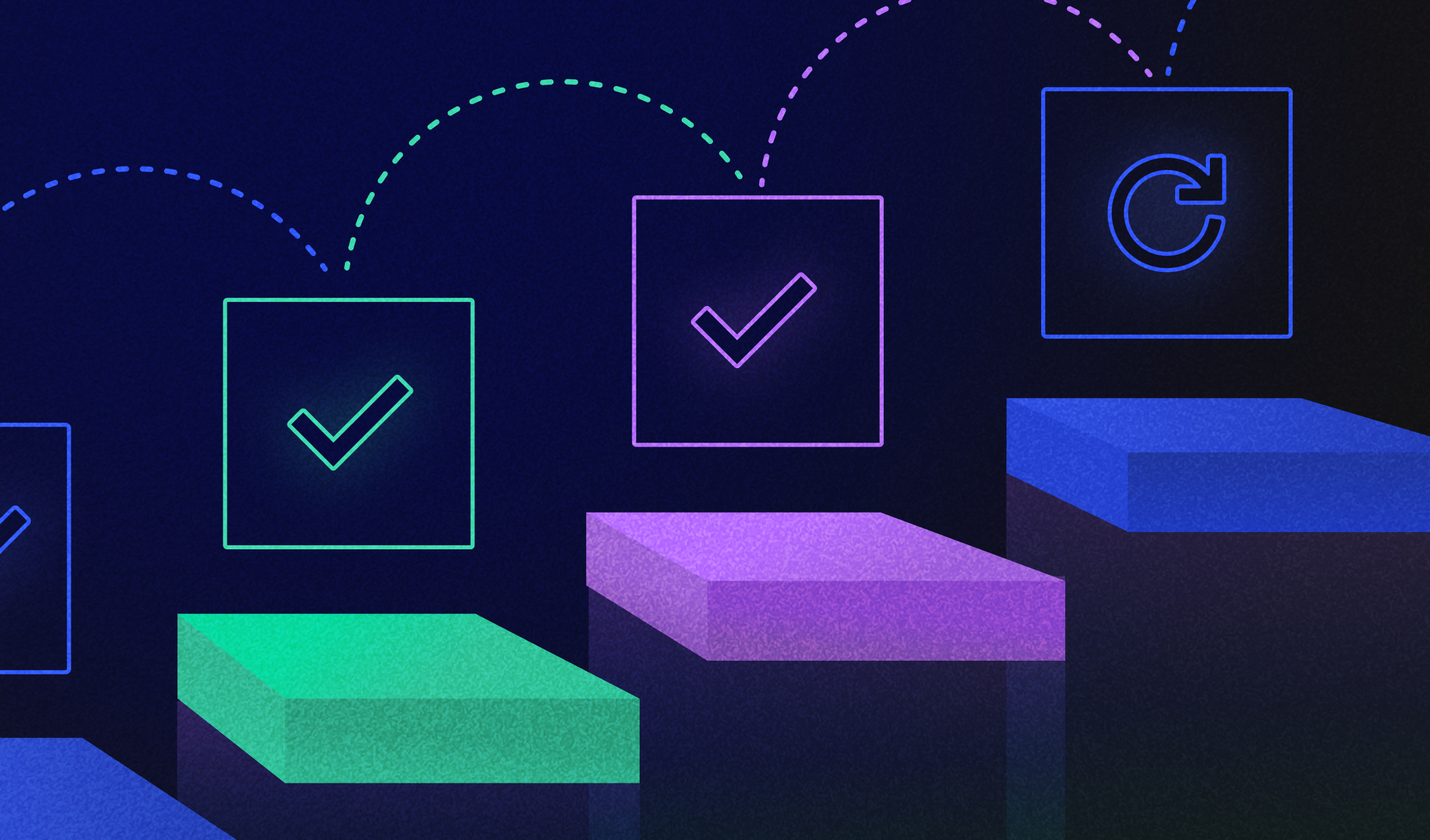
Enterprise WordPress success isn’t a sprint to launch. It’s a continuous loop across three named phases, each feeding the next.
Phase 1: Discovery
Discovery is where strategy earns its keep. Before a line of code is written, we’re asking harder questions: What are you actually trying to accomplish? What does success look like in 12 months . . . and in 36? Where does your current platform create friction for editors, developers, or end users? What’s the competitive landscape, and where are the gaps?
Discovery produces more than a project brief. It produces a digital roadmap: a prioritized, sequenced view of where investment will drive the most impact. For enterprise clients, this often means separating what needs to happen at launch from what should be phased in as the platform matures.
Done well, Discovery reframes the entire engagement. You’re not buying a website. You’re building toward a defined set of outcomes, and you have a shared language for measuring progress.
Phase 2: Build
Build is where the roadmap becomes reality. This phase encompasses design, engineering, content strategy, and quality assurance, but it’s not a black box. Modern enterprise builds are collaborative by design, with internal teams embedded in the process rather than waiting for a handoff.
The goal of Build isn’t just a launched platform. It’s a platform your internal team understands, can operate confidently, and can extend without depending on an external agency for every change. That means documentation, training, and a codebase built for longevity, not just the demo.
Launch is a milestone, not a finish line.
Phase 3: Optimize
This is the phase most agencies skip, and it’s where the real value lives.
Optimize is the continuous improvement engine: the monthly or quarterly cycle of measuring performance against KPIs, identifying friction points, shipping incremental improvements, and refining the roadmap based on what you’re learning. It’s where A/B tests run. It’s where accessibility gaps close. It’s where that editorial workflow your content team has been working around finally gets fixed.
Optimize isn’t maintenance, but strategic evolution. The difference between a platform that compounds in value over time and one that slowly becomes a liability.
Retainer and Roadmap Models: What Long-Term Partnership Actually Looks Like
Long-term partnership isn’t a vague commitment to “being there.” It’s a structured model with defined rhythms, clear ownership, and measurable outcomes.
The Continuous Improvement Retainer
A Modern Tribe Optimize retainer gives your platform a standing team and a standing agenda. Each month or quarter includes a defined scope of work drawn from the living roadmap, a shared review of KPIs and analytics, a prioritization conversation about what’s next, and dedicated capacity for emerging needs.
The roadmap isn’t static. It’s updated every quarter based on what your data is telling you, what your business priorities have shifted to, and what the competitive landscape looks like. You’re not locked into a plan that was written 18 months ago; you’re operating with current intelligence.
The Living Roadmap
The roadmap is the contract between strategy and execution. It’s a prioritized, sequenced backlog of improvements organized by impact, effort, and strategic alignment. It makes the conversation about “what should we do next” fast and grounded because the thinking has already been done.
For enterprise clients managing multiple stakeholders, the roadmap also serves as a communication tool. It creates visibility into what’s being worked on, what’s coming, and why decisions are being made. That transparency builds internal confidence and makes it easier to maintain executive support for ongoing investment.
KPI Tracking and Iteration Loops
Long-term partnership only works if it’s accountable. That means defining the right metrics upfront and reviewing them relentlessly.
The KPIs that matter vary by organization, but they typically include some combination of:
- Organic search performance: Rankings, impressions, and click-through rates for target keywords at the category and page level
- Engagement metrics: Time on site, scroll depth, return visits, and content interaction rates
- Conversion metrics: Form completions, content downloads, demo requests, or whatever actions represent pipeline for your organization
- Editorial velocity: How quickly your team can publish, update, and extend content without developer support
- Platform health: Core Web Vitals, accessibility scores, uptime, and security posture
Each Optimize cycle follows a simple loop: Measure → Analyze → Prioritize → Ship → Repeat. The output of every sprint feeds the input of the next. Over time, this compounds. Small, data-driven improvements stack into meaningful platform differentiation.
This is also how you stay ahead of AI-driven search. As generative AI changes how people find and consume content, the platforms that win will be the ones with strong topical authority, clean semantic structure, and content that genuinely answers intent. That’s not a one-time SEO audit. It’s an ongoing discipline and it requires a partner, not a vendor.
Selling the Lifecycle Internally
If you’re an enterprise digital leader, you already understand the value of this model. The harder conversation is often internal: convincing finance, procurement, or executive leadership that ongoing agency investment is better than a series of discrete projects.
A few framings that tend to land:
Total cost of ownership, not project cost. A site that requires a full rebuild every three years because it was never maintained costs far more than a retainer that keeps it current. Framing ongoing investment as cost avoidance often resonates with finance teams.
Compounding returns. SEO / AIO authority, UX refinement, and editorial capability all compound over time. A platform that has been continuously optimized for three years outperforms a brand-new site in virtually every measurable dimension. The launch ROI argument is easy. The compounding ROI argument is more powerful.
Reduced organizational risk. An outdated platform creates real exposure to competitors, to user abandonment, to accessibility litigation, to security vulnerabilities. Ongoing investment is risk management, not a discretionary line item.
The Question Answered
So: are we a project shop or a long-term partner?
We’re built to be the latter. Modern Tribe’s model is designed for organizations that want to grow capability, not dependency, and teams that want to evolve their platforms continuously rather than rebuild them periodically.
That said, we’re realistic about how relationships start. Many of our longest partnerships began as discrete projects. The trust gets built in Build. The value gets compounded in Optimize. The roadmap becomes the shared language that holds it all together.
What we’re not is an agency that disappears at launch. The work we’re most proud of, Harvard’s Webby Award-winning flagship, Stanford GSB’s centennial experience, the platforms we’ve built for mission-driven organizations across higher ed, healthcare, and enterprise, succeeded because the relationship outlasted the launch.
If you’re evaluating WordPress partners for a significant investment, ask them what happens after go-live. Ask them how they measure success at 12 months. Ask them whether they have a roadmap model or just a project plan.
The answer will tell you everything.
Ready to talk about what a continuous improvement model could look like for your platform? Let’s start the conversation.